


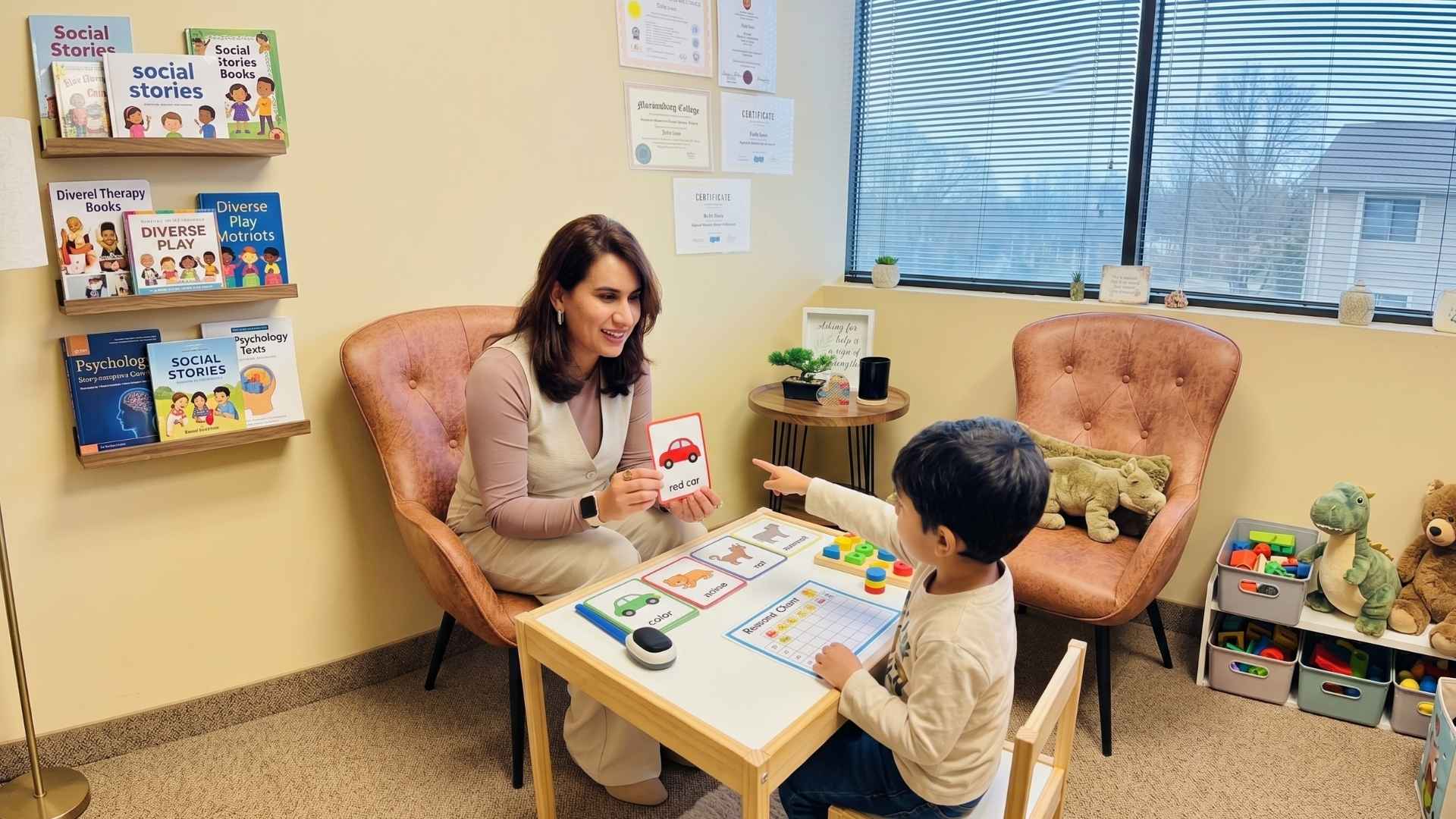

Applied behaviour analysis is a science-based therapy that uses the principles of learning and behaviour to bring about meaningful, positive changes in a person’s life. It identifies what drives specific behaviours, what maintains them, and what can replace them with more helpful alternatives. Families exploring ABA Therapy Ottawa will find that it is one of the most thoroughly researched and widely recommended interventions available for children with autism and other developmental needs.
What Does Applied Behaviour Analysis Mean?
Applied behaviour analysis, often called ABA therapy, is rooted in the understanding that behaviour is learned and can therefore be changed through structured, consistent teaching. It applies scientific principles to real-life situations, helping individuals develop communication, social, academic, and daily living skills while reducing behaviours that interfere with learning and independence.
ABA is not a single technique. It is a flexible framework that adapts to each person’s unique goals, strengths, and challenges. Whether delivered in a clinic, home, or school environment, behaviour analysis therapy is individualized to fit the child’s needs and family priorities.
Who Is Applied Behaviour Analysis Used For?
ABA therapy is most widely associated with applied behavior therapy for autism, and for good reason. According to Autism Canada, early, intensive ABA-based intervention is one of the most evidence-supported approaches for improving outcomes in autistic children. However, the principles of applied behaviour analysis apply far beyond autism. ABA is also used to support children and adults with ADHD, intellectual disabilities, anxiety, developmental delays, and behavioural challenges across many settings.
Principles of Applied Behaviour Analysis
Understanding the principles of applied behaviour analysis helps parents appreciate why this approach is so effective. The core principles include:
- Reinforcement: Positive reinforcement involves adding something rewarding immediately after a desired behaviour, increasing the likelihood that the behaviour will occur again. Negative reinforcement involves removing an unpleasant condition when a desired behaviour occurs, also increasing that behaviour.
- Behaviour and consequences: Every behaviour exists in relation to what precedes it (antecedents) and what follows it (consequences). ABA practitioners analyze this relationship to understand why a behaviour occurs.
- Data-driven decision making: Progress is tracked through detailed data collection, ensuring that interventions are working and can be adjusted when needed.
- Consistency and repetition: Skills are built through repeated, consistent practice across multiple environments to support generalization.
How ABA Therapy Works
How ABA therapy works in practice follows a structured process that begins with understanding the individual. The steps involved are:
- Assessment: A Board Certified Behaviour Analyst (BCBA) observes and evaluates the child’s current skills, challenges, and the function of specific behaviours.
- Goal setting: Meaningful, measurable goals are developed in collaboration with the family based on the assessment findings.
- Intervention planning: A tailored program is created using evidence-based strategies that target the child’s priority areas.
- Progress tracking: Data is collected during every session and reviewed regularly to monitor growth and adjust the plan as needed.
Techniques Used in ABA Therapy
The techniques used in ABA therapy are varied and selected based on what each child responds to best. The most commonly applied techniques include:
| Technique | Purpose | Example | Outcome |
| Discrete Trial Training (DTT) | Teaches skills in structured, repeated trials | Teaching a child to identify colours one cue at a time | Builds foundational skills through repetition |
| Natural Environment Teaching (NET) | Teaches skills within everyday activities | Practicing requesting during play | Promotes generalization of skills |
| Positive Reinforcement | Increases desired behaviours | Giving praise after a child completes a task | Strengthens the target behaviour |
| Prompting and Fading | Guides correct responses and reduces support | Using hand-over-hand to teach writing, then fading | Builds independence over time |
Benefits of Behaviour Analysis Therapy
The benefits of behaviour analysis therapy are well-documented and span multiple areas of development. Families who engage consistently with ABA programming often observe:
- Improved communication skills, including both verbal and non-verbal expression.
- Better social interaction, such as initiating conversations and understanding social cues.
- Increased independence in daily living tasks like dressing, eating, and following routines.
- Reduced challenging behaviours, including aggression, self-injury, or non-compliance that previously limited participation in family and community life.
Common Misconceptions About ABA
A persistent misconception is that ABA is only for autism. While applied behavior therapy for autism is its most common application, behaviour analysis therapy is effective for a wide range of conditions. Another concern parents sometimes raise is that ABA is too rigid or robotic. Modern ABA is child-centered, naturalistic, and play-based wherever possible. It focuses on building intrinsic motivation rather than rote compliance, and it always prioritizes the child’s dignity and well-being.
Frequently Asked Questions About Applied Behaviour Analysis
What is applied behaviour analysis used for?
Applied behaviour analysis is used to teach new skills, increase helpful behaviours, and reduce behaviours that interfere with learning and daily functioning. It is applied across home, school, and community settings.
Is ABA therapy effective for autism?
Yes. Decades of peer-reviewed research support ABA as one of the most effective interventions for autism. It is recommended by leading health organizations in Canada and internationally.
How long does ABA therapy take?
Duration varies based on the child’s goals and needs. Some children participate for several months while others benefit from longer-term programming. Intensity and duration are always determined collaboratively with the family.
What age should ABA therapy start?
Early intervention, ideally before age five, tends to produce the strongest outcomes. However, ABA is effective across all ages and is not limited to young children.
Is ABA therapy covered in Canada?
Coverage varies by province. In Ontario, families of children with autism may access funding through provincial programs. A behaviour analyst or service coordinator can help families explore available options.
Final Thoughts
Applied behaviour analysis offers families a clear, evidence-based path toward meaningful progress. Whether your child is working on communication, social skills, daily routines, or managing challenging behaviour, a carefully designed ABA program delivered by qualified professionals can create real and lasting change. Early intervention and consistency are the strongest predictors of positive outcomes. If you are ready to explore what ABA Therapy Ottawa looks like for your child, connecting with an experienced behaviour analyst is the best first step you can take.