


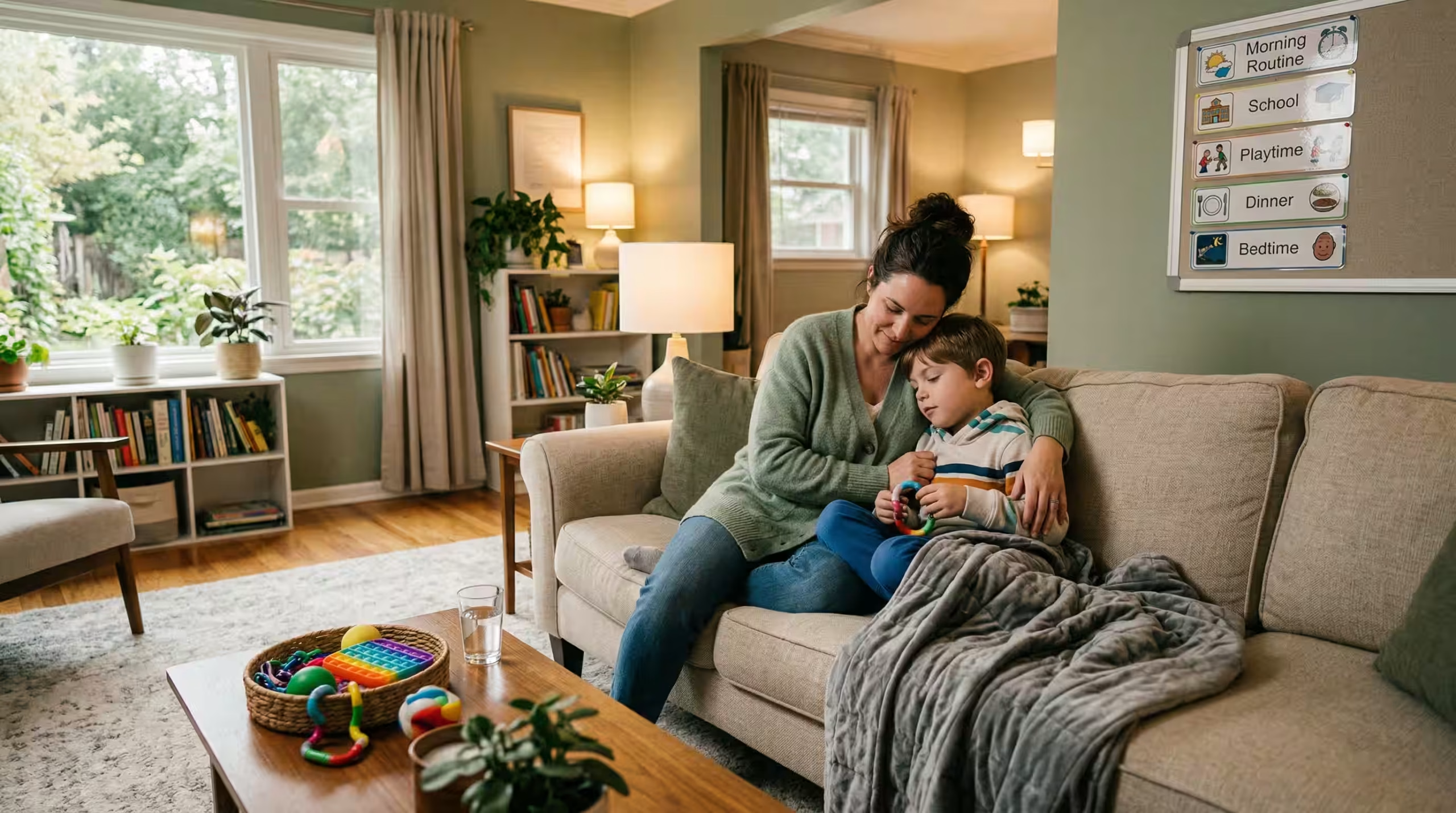

Managing autism anxiety in Ottawa starts with understanding the signs early. Children and teens on the autism spectrum experience anxiety at significantly higher rates than neurotypical peers. Recognizing behavioral and physical indicators, understanding the root causes, and applying consistent coping strategies can meaningfully reduce your child’s distress. For personalized guidance, connecting with trusted autism services Ottawa professionals can make a lasting difference.
What Is Autism Anxiety Ottawa Families Should Understand
Anxiety in autistic individuals is not simply nervousness. It is often rooted in sensory overload, unpredictable social situations, and difficulty communicating inner distress. According to the Government of Canada mental health support resources, anxiety disorders are among the most common co-occurring conditions in developmental disabilities. In Ottawa, many families navigating autism anxiety do so without a full picture of what their child is experiencing. Building that picture is the first and most important step.
Signs of Anxiety in Autistic Children
Anxiety in autistic children often looks different from what parents might expect. Rather than expressing worry verbally, children frequently communicate distress through behavior.
Behavioral signs include:
- Meltdowns triggered by minor changes or unexpected events
- Avoidance of certain people, places, or activities
- Increase in repetitive behaviors like rocking, hand-flapping, or scripting
- Refusal to participate in previously enjoyed activities
Physical signs include:
- Stomach aches or headaches with no medical cause
- Sleep disturbances and difficulty settling at night
- Rapid breathing or a racing heart during stressful moments
Communication challenges also play a role. Many children cannot name what they feel, making it harder for parents and educators to connect anxiety to its source.
Common Causes of Anxiety in Autism
Understanding what drives autism anxiety Ottawa children experience helps caregivers respond with greater precision. Sensory sensitivities are a leading cause. Loud environments, bright lighting, and unexpected textures can overwhelm the nervous system and trigger an anxiety response. Social challenges add another layer, as navigating peer interactions, reading facial expressions, and following unspoken social rules creates ongoing stress. Changes in routine are particularly destabilizing, since predictability is deeply important for many autistic individuals. Communication difficulties compound all of the above, leaving children without the tools to ask for help when they need it most.
Autism Anxiety Support Ottawa: Coping Strategies That Work
Building Predictable Routines
A structured daily routine reduces uncertainty and lowers the baseline level of anxiety. Use visual schedules to display the day’s plan so your child always knows what comes next. Keep morning and evening sequences consistent, and give advance notice before any changes occur.
Using Visual Supports and Calming Techniques
Visual tools like emotion charts, countdown timers, and choice boards give children a way to understand and communicate their feelings. Calming techniques for anxious children such as deep breathing exercises, a quiet sensory corner, and fidget tools provide immediate relief during moments of escalation.
Gradual Exposure
Gradual exposure involves slowly introducing anxiety-triggering situations in a controlled and supportive way. Starting with low-intensity versions of a feared situation and building up over time helps the child develop tolerance and confidence.
Anxiety Symptom Strategy Table
| Symptom | Possible Cause | Strategy | Support Method |
| Meltdowns | Sensory overload | Sensory breaks and quiet space | OT and behavior support |
| Avoidance behavior | Social anxiety | Gradual exposure | CBT adaptations |
| Sleep disruption | Heightened arousal | Visual routine and calming tools | Behavioral sleep therapy |
| Repetitive behaviors | Emotional dysregulation | Emotional regulation tools | Parent coaching |
Therapy Options for Autism and Anxiety
Cognitive Behavioral Therapy (CBT) Adaptations
Standard CBT is often modified for autistic children by using visual aids, concrete examples, and shorter sessions. These adaptations help children identify thought patterns and practice new responses to anxiety-provoking situations.
Occupational Therapy
Occupational therapists address sensory sensitivities that fuel anxiety. By building a sensory diet tailored to the child’s profile, OT reduces the frequency of overwhelm that leads to anxious episodes.
Behavioral Therapy
Behavioral approaches teach replacement behaviors and self-regulation strategies. Structured reward systems reinforce calm responses and build the child’s sense of control over their own reactions.
Parent-Guided Interventions
Parents are partners in every effective treatment plan. Learning to identify early warning signs, respond calmly, and reinforce coping strategies at home significantly amplifies the impact of clinical therapy.
Teen Autism Anxiety Management Ottawa
Social anxiety in teens with autism is a distinct challenge. As academic demands increase and peer dynamics become more complex, many teens experience a significant spike in anxiety. Pressure to fit in, difficulty reading social cues, and fear of judgment can lead to school avoidance or withdrawal from social life entirely. Teen autism anxiety management Ottawa specialists recommend building self-awareness skills early. Helping teens identify their own triggers, practice assertive communication, and develop independence in managing their emotions builds long-term resilience. School-based supports, peer mentorship programs, and family consistency all play a role in keeping teens engaged and emotionally stable.
Frequently Asked Questions About Autism Anxiety Ottawa
Why is anxiety so common in children with autism?
Sensory differences, social challenges, and communication barriers all place the nervous system under constant strain, making anxiety a natural but manageable outcome for many autistic individuals.
What are the best coping strategies for autism anxiety?
Predictable routines, visual supports, calming tools, and gradual exposure are among the most effective approaches for reducing anxiety in autistic children day to day.
Can therapy help autistic children manage anxiety?
Yes. CBT adaptations, occupational therapy, and behavioral therapy are all evidence-based options that help children build lasting coping skills.
How can parents support teens with autism anxiety in Ottawa?
Focus on building self-awareness, maintain routine, communicate openly, and connect with professional anxiety treatment for autistic children Ottawa providers for tailored guidance.
When should a family in Ottawa seek professional help?
If anxiety is affecting school attendance, friendships, sleep, or family life on a regular basis, reaching out to autism services Ottawa professionals is the right next step.
Final Thoughts
Managing autism anxiety Ottawa families face requires patience, consistency, and the right professional support. By recognizing early signs, understanding the causes, and applying structured coping strategies, you give your child a meaningful path toward emotional security. Every step forward matters, and you do not have to take those steps alone.